Football Card Collecting in the UK: A Starter Guide
· 4 min read
Football card collecting in the UK is easy to start: pick a league, team or player you genuinely follow, buy a few packs or singles, learn the difference between base cards, parallels and inserts, and store everything sleeved in a binder or toploader from the first day. This guide walks you through each step so you spend your money on cards you actually want.
Stickers, cards and trading card games
If you grew up filling a sticker album, football cards will feel familiar but different. Stickers are meant to be stuck down; trading cards are made to be kept loose, sorted, traded and protected. Within cards there are broadly two worlds:
- Collectable trading card games aimed at younger fans, where cards have stats and can be played as a game in the playground or at home.
- Collector sets aimed at older fans and adults, built around base sets, numbered parallels, inserts, autographs and memorabilia cards.
Licences for leagues, clubs and competitions move between manufacturers over time, so always check the packaging to see exactly which league and season a product covers before you buy.
The card types you will see
- Base cards – the core set, usually one card per player. Completing a base set is a satisfying first goal.
- Rookie cards – a player's first appearance in a set, often marked with a small logo. These tend to be the most sought-after cards of a player.
- Parallels – versions of base cards with a different colour, border or finish. Many are serial-numbered, such as a card stamped 12/99.
- Inserts – special themed subsets that sit outside the base set, often with bolder designs.
- Autographs and relics – signed cards or cards containing a piece of material such as shirt fabric. These are usually thicker than standard cards.
If any of these terms are new, our trading card glossary explains 50 of the most common ones in plain English.
Where to buy football cards in the UK
- Supermarkets and newsagents – the easiest place to find packs aimed at younger collectors. Good for casual fun, less so for chasing specific cards.
- Local hobby and card shops – staff can explain products, and many shops run trade nights where you can swap duplicates.
- Online retailers – convenient for hobby boxes and specific products, but stick to sellers with clear contact details and returns policies.
- Singles from other collectors – if you want one particular player, buying that single card is almost always cheaper than opening packs hoping to pull it.
Be aware that the same set can come in different formats. Retail packs are cheaper and widely available, while hobby boxes cost more but usually promise a certain number of autographs or special cards per box. Read the box description rather than assuming.
Choose a focus before you spend
The quickest way to waste money is to buy everything. Most happy collectors pick one or two focuses, for example:
- Your club – every player from the squad across one or more seasons.
- One player – their rookie cards, parallels and inserts across their career.
- A complete base set – a clear finish line and a great binder project.
- A theme – goalkeepers, a World Cup squad, or players from your home town.
Write your focus down and keep a simple checklist on your phone. When you open packs, anything outside your focus becomes trade material.
Handling and protecting new cards
Modern football cards often have glossy or chromium surfaces that show fingerprints and scratches easily, and their corners chip if they are knocked about. A few habits make a big difference:
- Handle cards by the edges and with clean, dry hands.
- Sleeve anything you care about as soon as it comes out of the pack.
- Put numbered cards, rookies and autographs in a toploader, or a magnetic holder if they are thick relic cards.
- Keep cards away from sunlight, radiators and damp rooms.
Our guide to storing valuable sports cards goes deeper on toploaders, magnetic holders and grading.
Organising your collection in a binder
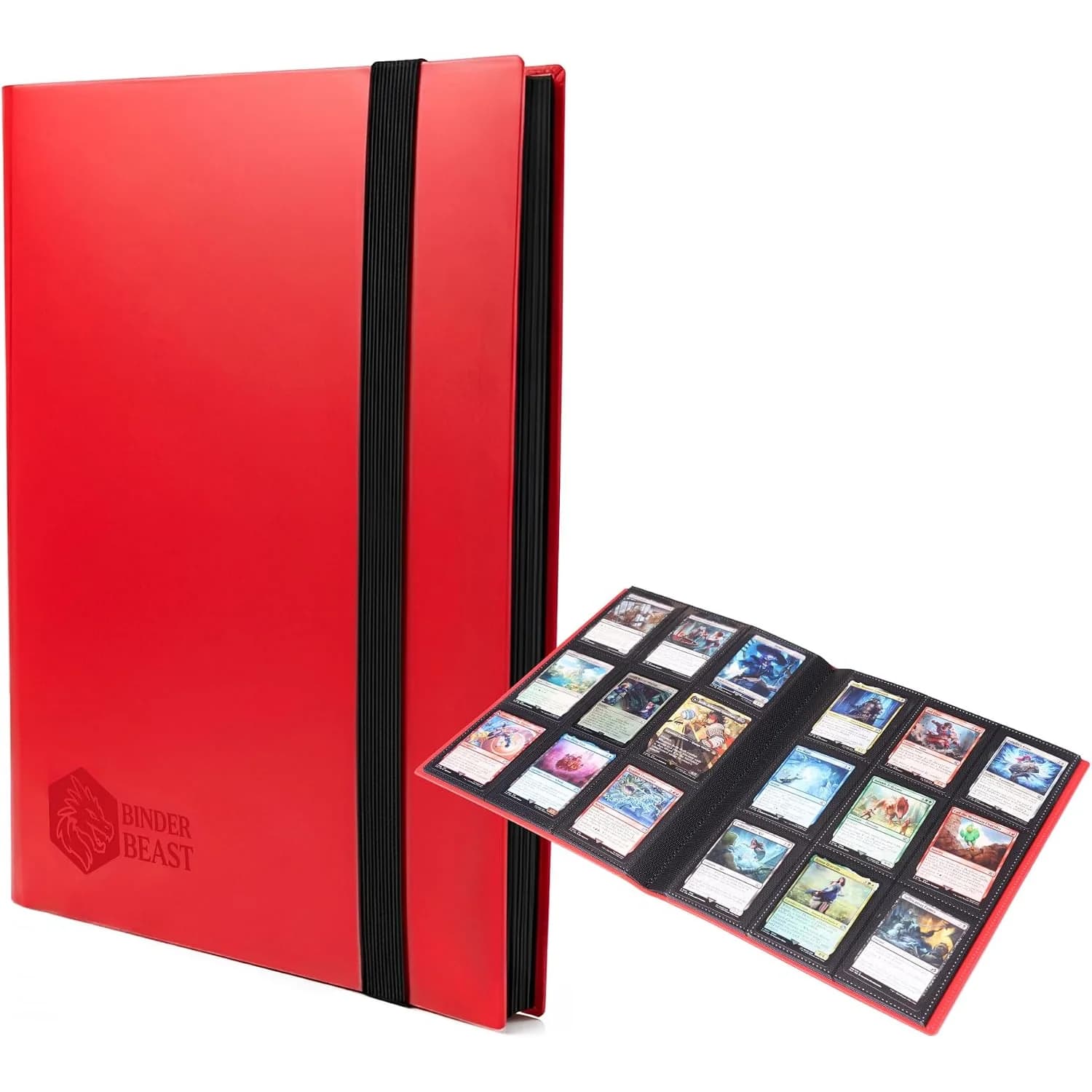
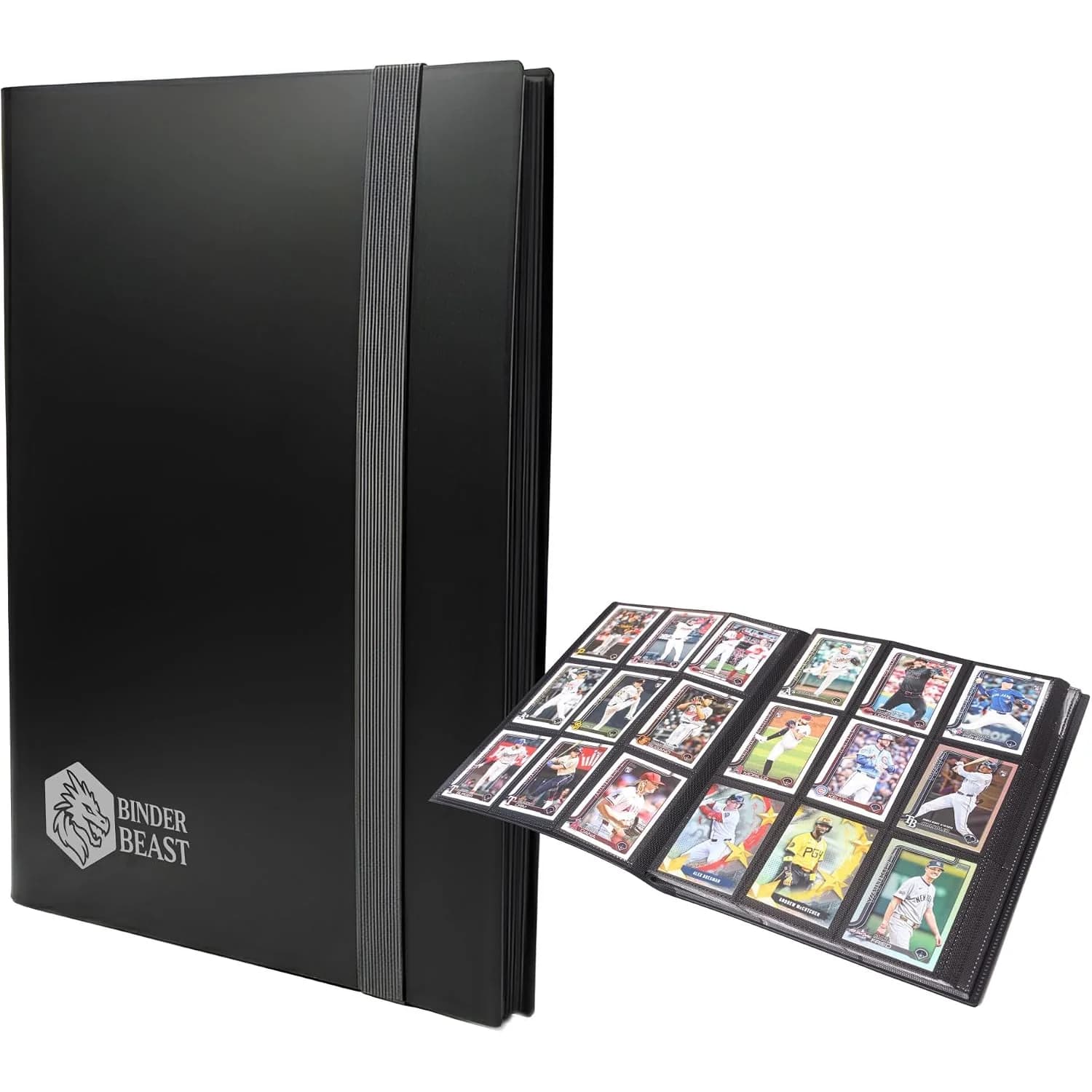
A 9-pocket binder is ideal for base sets and team collections because a standard card fits each pocket and you can see a whole page of players at a glance. Sort by team and squad number, or follow the checklist numbers printed on the back of each card so gaps are easy to spot. Leave empty pockets for cards you still need.
Thick autograph and relic cards are a different story: they are often too thick for standard binder pockets, so keep them in magnetic holders in a storage box instead. For more on matching binders to sports cards, see the best binder for sports cards.
A binder that suits football cards
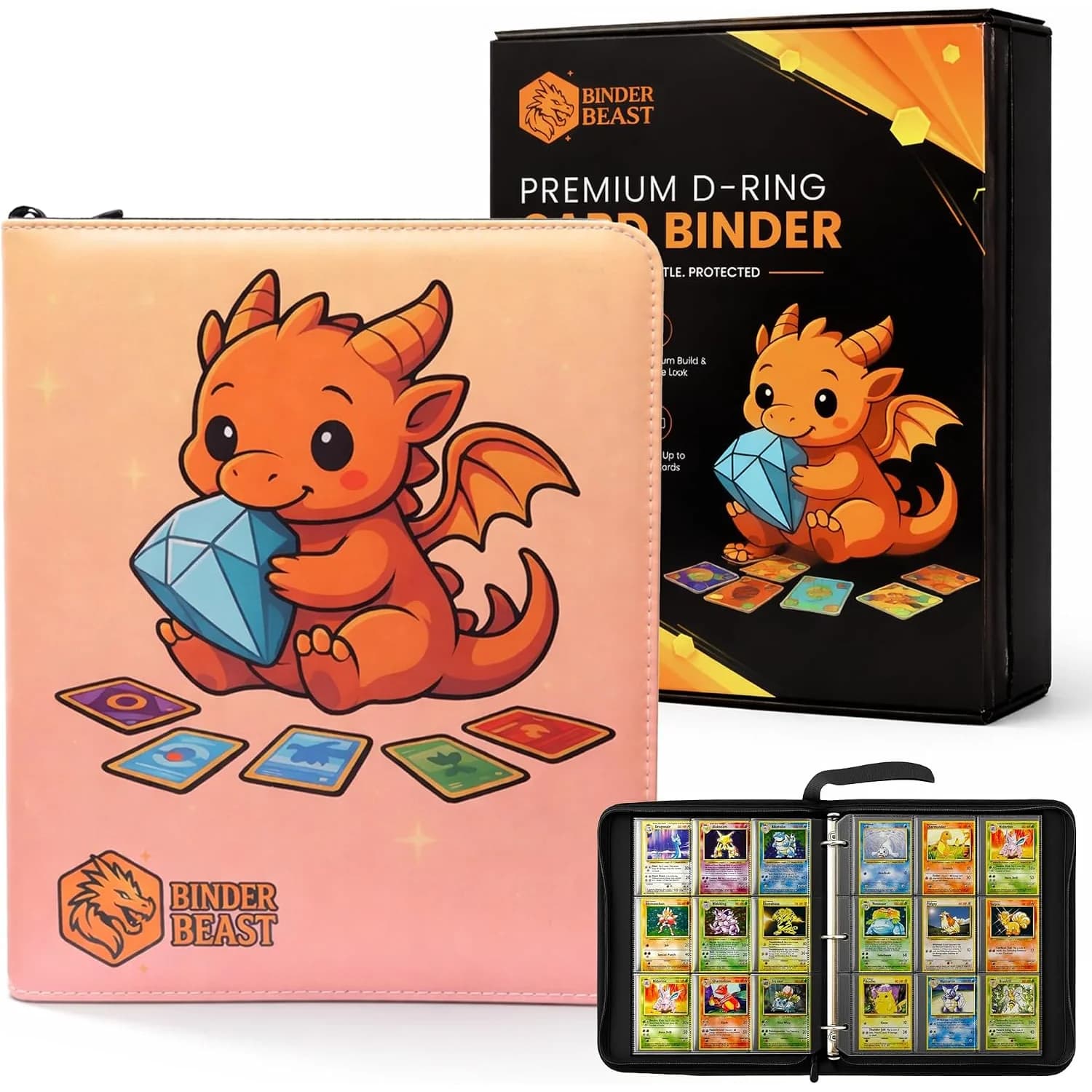
If you are just starting out, the Sleek 9-Pocket Binder holds 360 standard 63 × 88 mm cards, sleeved or unsleeved, on 20 fixed double-sided pages with side-loading pockets and acid-free polypropylene pages. It has a water-resistant hardcover and an elastic strap, and comes in black or red. For a bigger collection that grows over several seasons, the Dragon 9-Pocket Zip Binder uses a D-ring so you can add and rearrange pages. You can compare options in our football card binders range.
Final whistle
Start small, follow the teams and players you love, buy singles for specific targets and protect your best cards from the moment you pull them. With a clear focus and a tidy binder, football card collecting stays fun, affordable and easy to keep on top of season after season.
Find the right binder
360 to 900 cards, water-resistant covers, free UK delivery over £25.
Shop binders